The Breeches Bible
Every book has a beginning. This one began with a Bible.
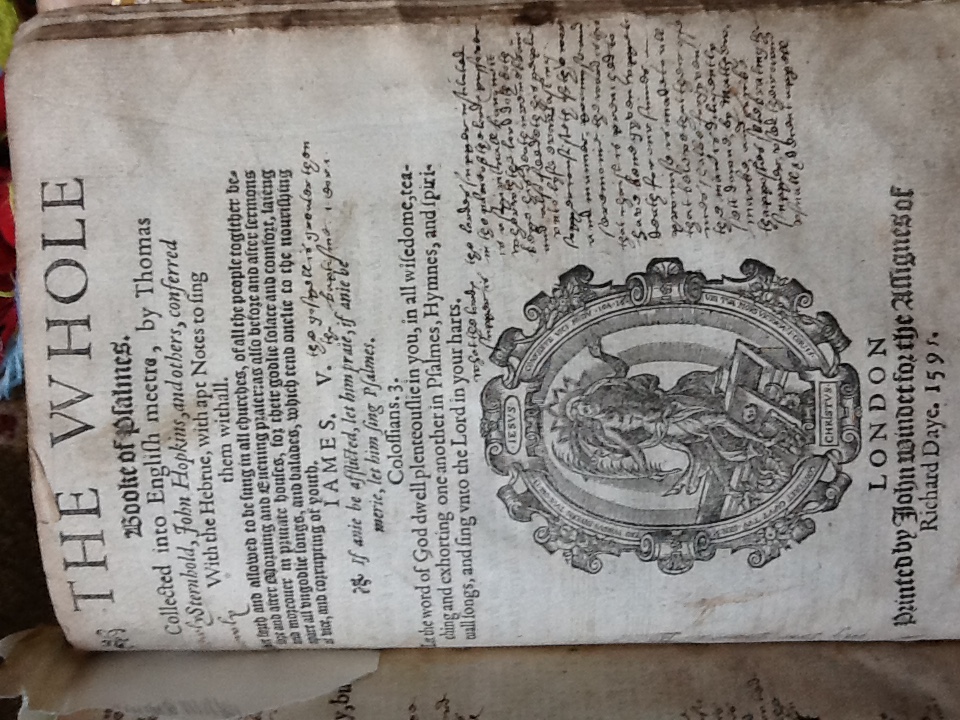
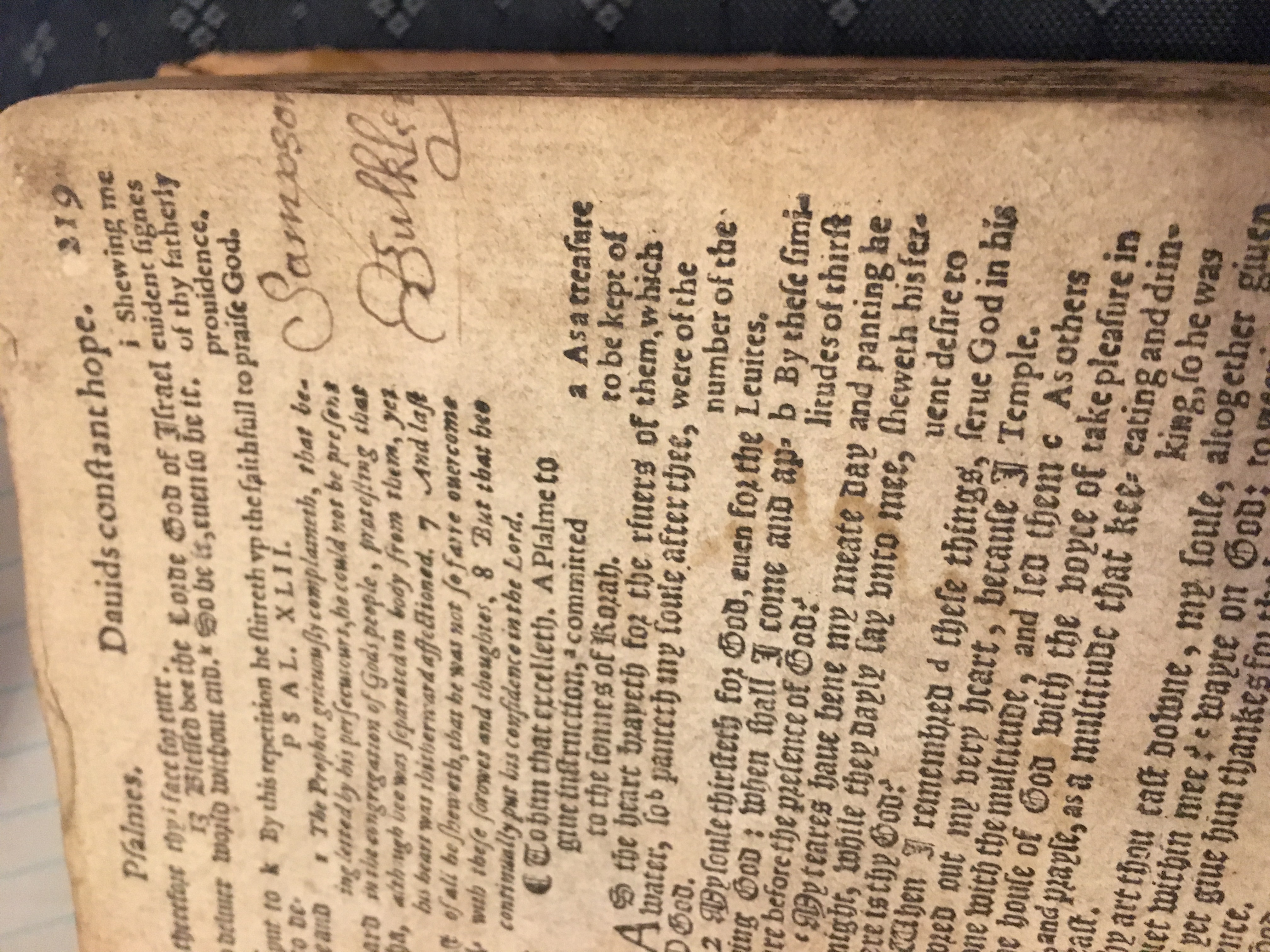
In 2010, Ben was asked to investigate the origins of a family treasure: a 1595 Geneva "Breeches Bible". Was it a genuine family Bible? Nobody knew. What it contained was a handful of handwritten names, dating from around 1650 to 1723, belonging to people from Leek in Staffordshire. Nobody knew who they were, or how the Bible had come into the family.
A ten-year mystery
That mystery became something of an obsession. For nearly ten years Ben followed every possible lead, reconstructing every branch of his own family and tracing the Leek family through successive generations, searching for any documentary evidence that might connect the two. Time after time the trail went cold, until it seemed possible the Bible had simply been bought in an antique shop generations earlier.
Then the approach changed: rather than searching across centuries, the research focused on the period around 1723, when the Bible must have passed into the family's possession, if it ever had. That decision unexpectedly led to Liverpool, and to one of its most influential eighteenth-century merchants, Bryan Blundell. In 2021, one of the names from the Bible appeared as a suggested connection in a distant part of the family tree, and after many months of further research the Bible's journey across more than four centuries could finally be reconstructed.
The connection turned out to be a distant one. The individual who links Ben to the Bible is an eleventh cousin, six times removed: far enough away that no one would ever have thought to look there, and yet from that person a plausible line of descent can be traced, generation by generation, down to the present day. That chain of descent will be set out here at a later stage.
Why the name?
The Geneva Bible, first published in 1560, is popularly known as the "Breeches Bible" from its distinctive translation of Genesis 3:7, in which Adam and Eve, realising they were naked, sewed fig leaves together and made themselves "breeches".
From the Bible to the book
Bryan Blundell never owned the Bible himself, but his life intersected with the people who did, and his career mirrored Liverpool's transformation from a small market town into Britain's principal slave-trading port. He became the ideal figure through whom to tell not only a family story, but the wider history of commerce, empire, faith and the Atlantic slave trade. That story is now told in The Slave Trader.
The Bible hadn't travelled in a straight line, and the twists and turns of its journey proved every bit as fascinating as the destination.